Finding Relief from Allergies, MCAS & Sensitivities with SAAT
A Personal & Professional Perspective
As both a licensed acupuncturist and someone who has personally struggled with mast cell activation syndrome (MCAS) , I understand the frustration of living with constant inflammation, unpredictable reactions, and the anxiety of not knowing what might trigger the next flare.
That is why I was so compelled to travel to Maryland to study directly with Dr. Nader Soliman and get trained in his Soliman Auricular Allergy Treatment (SAAT) .
I did not just learn the protocol—I experienced it myself. For one month, I wore a tiny needle in my ear. The results were profound:
- The pervasive inflammation in my body significantly decreased
- I began comfortably losing the stubborn weight I had gained from inflammation
- I became far less reactive to triggers that used to cause me daily distress
This personal success is why I am so passionate about offering SAAT. It is a powerful, precise tool that can offer lasting relief from specific allergies, food sensitivities, environmental triggers, and even vaccine sensitivities.
Testimonial:
THIS PRACTICE CHANGED MY LIFE. I had severe alpha gal and saw that they offered SAAT treatment. I made an appointment and was in the next day. The whole experience was amazing and now I have started to eat dairy again and my quality of life has increased 100%. It is worth every penny and anyone with alpha gal should give it a try. If I could rate more than 5 stars I would.
H.C.
July 2026
*Note this is a real patient review reflecting one individual's experience. Results vary and are not guaranteed.
Frequently Asked Questions About SAAT
What to Expect During Your SAAT Journey

Step 1: Consultation & Health History
Before we begin, we will sit down and review your health history, symptoms, and suspected triggers. This helps me understand your full picture, but the real identification happens during the treatment itself.
Step 2: The Treatment & Identification
This is where the magic happens. Unlike traditional allergy testing that happens days or weeks before treatment, SAAT combines identification and treatment into one session.
During your appointment:
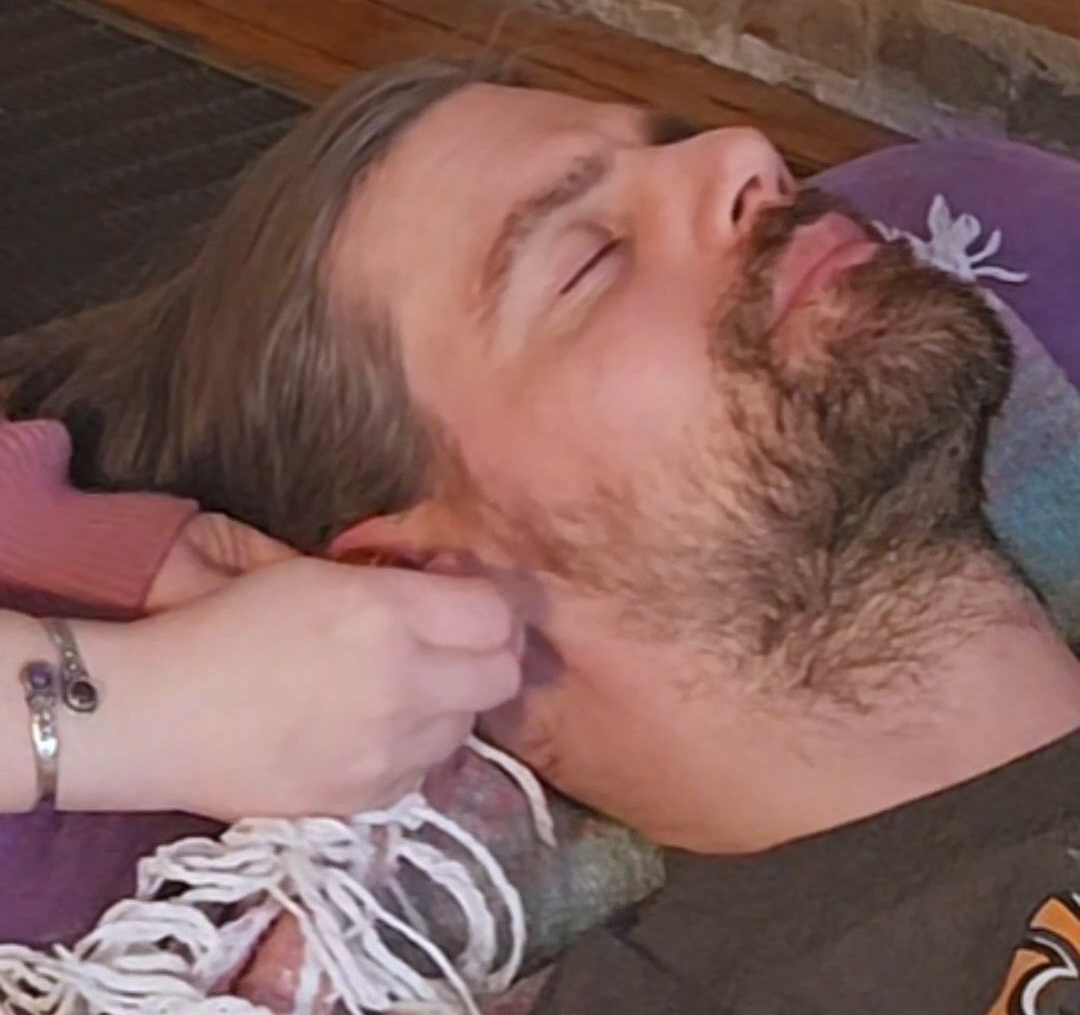
We test in real time. Using the specific allergen vial for your suspected trigger, I will locate the appropriate conductive point in your ear that corresponds to that allergen.
This point is unique to your body. Your body tells me exactly where the needle needs to go. This point is different for every person and every allergen.
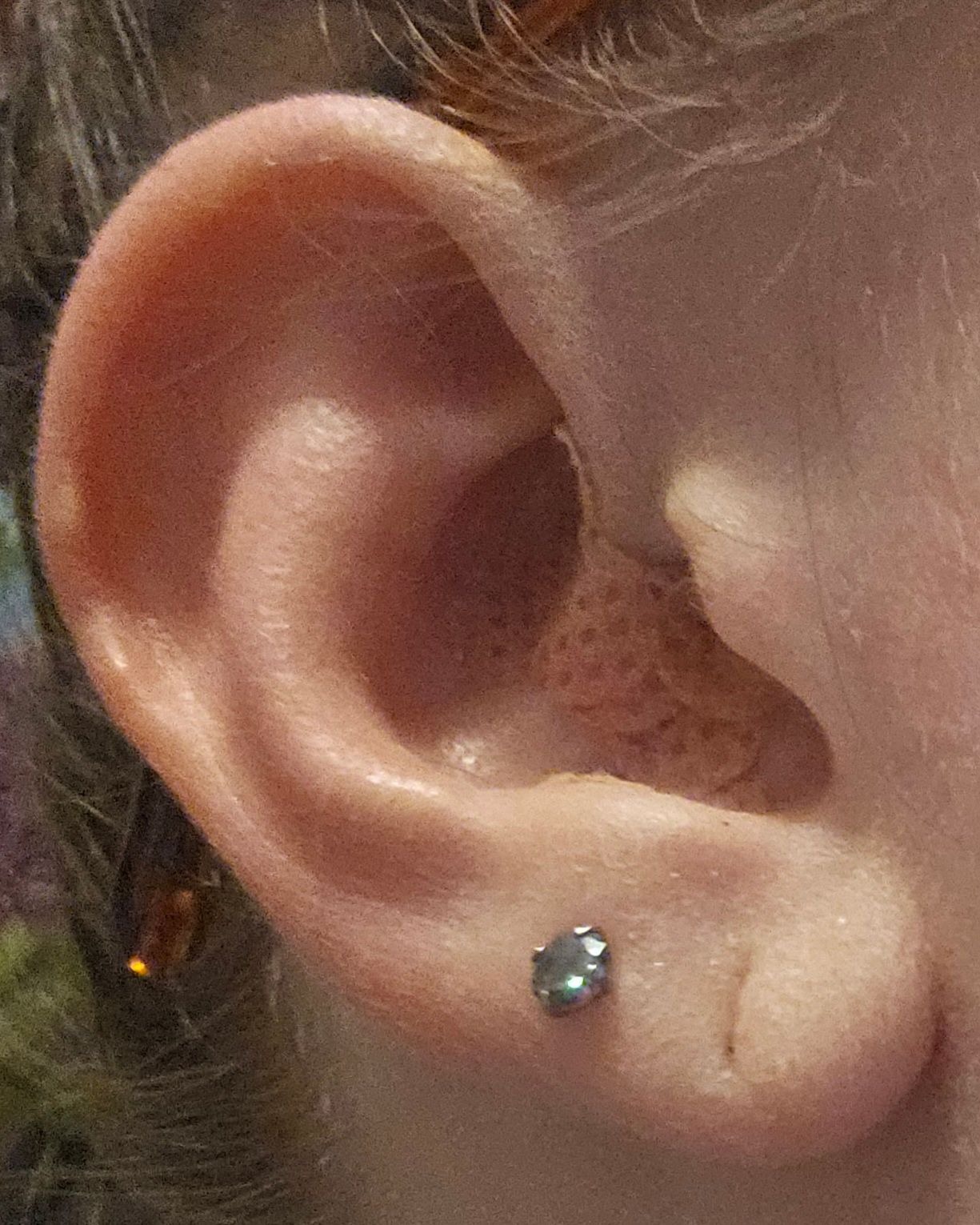
The needle is placed immediately. Once we identify the precise point, I gently place a single, hair-thin needle at that location. The needle is then covered with a small piece of medical tape.
You leave with the needle in place. The treatment begins the moment the needle is inserted and continues 24/7 for the next 3-4 weeks.
For patients with multiple triggers (common in MCAS), we will identify and treat the most reactive allergen first, then proceed with the other triggers (max 10).
You may not even feel the needle. Most patients report it is completely unnoticeable within minutes.
Step 3: The Holding Period
The needle remains for approximately 3-4 weeks. During this time:
You can bathe, shower, exercise, and live your life normally
The needle is tiny and does not interfere with daily activities
The continuous stimulation works 24/7 to retrain your immune system
Important: For best results, avoid the specific allergen during the holding period. This gives your immune system the "quiet space" it needs to reset without being re-triggered.

Step 4: Removal & Follow-Up
After about a month:
You can remove the needle yourself—it is a simple process (I will give you instructions)
No need to return to the office for removal unless you prefer to
We can schedule a follow-up to discuss your progress
For most patients, one treatment is sufficient for a specific trigger. However, some individuals may benefit from a second treatment if they have a particularly deep-seated sensitivity.
Note: SAAT does not cause side effects. You can continue all other medications and treatments as normal.